
Gas Capture

Capture it. Don't burn it off.

Associated gas is part of every oil well. Most operators flare it or vent it. We capture it — cutting emissions and recovering more energy from the same well. It is the cleanest, simplest case for running mature assets well.

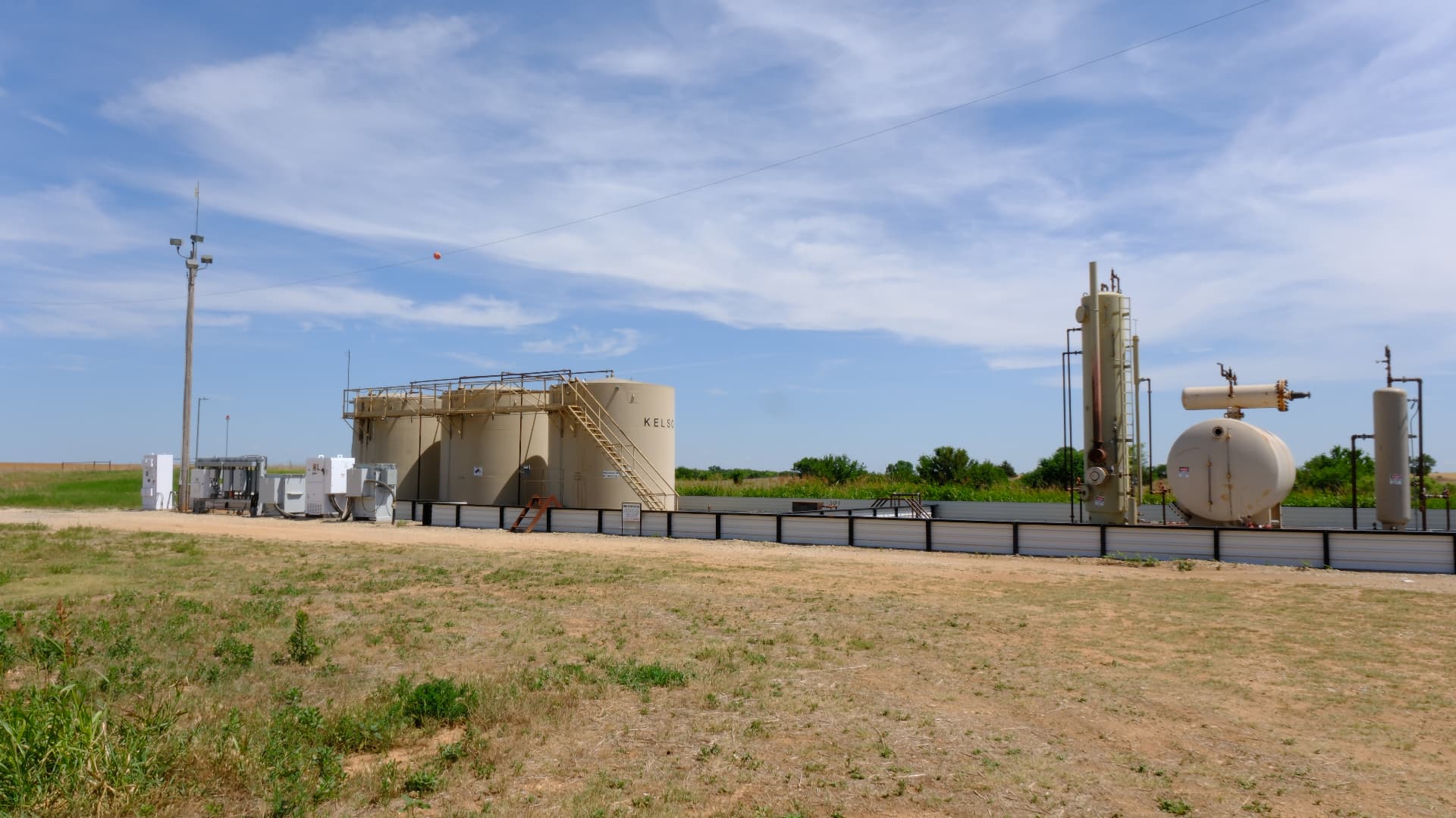
Tank battery and separation equipment where associated gas is captured on a Kansas lease

0

flared gas by design

Capture target

100%

of associated gas

Recovered for use

methane vs. venting

Emissions cut

Less methane reaching the atmosphere

Flaring and venting associated gas releases methane and CO₂ into the air for no economic return. Capturing it at the wellhead keeps those molecules out of the atmosphere.

Methane is a potent greenhouse gas, so every cubic foot captured rather than vented is a direct, measurable reduction in a well's environmental footprint.
More energy from the same well

A conventional operator pulls oil from a well and burns off the gas beside it. We recover both — capturing the associated gas so each well gives up more of its total energy rather than wasting half of it.

That means more usable energy per well drilled, per acre leased, and per dollar invested, without drilling a single new hole.

A waste stream turned to use

Stranded gas that was once flared becomes productive energy — captured, moved, and put to work rather than burned off as waste.

It is the simplest environmental argument there is: use what the well already produces, instead of wasting it.

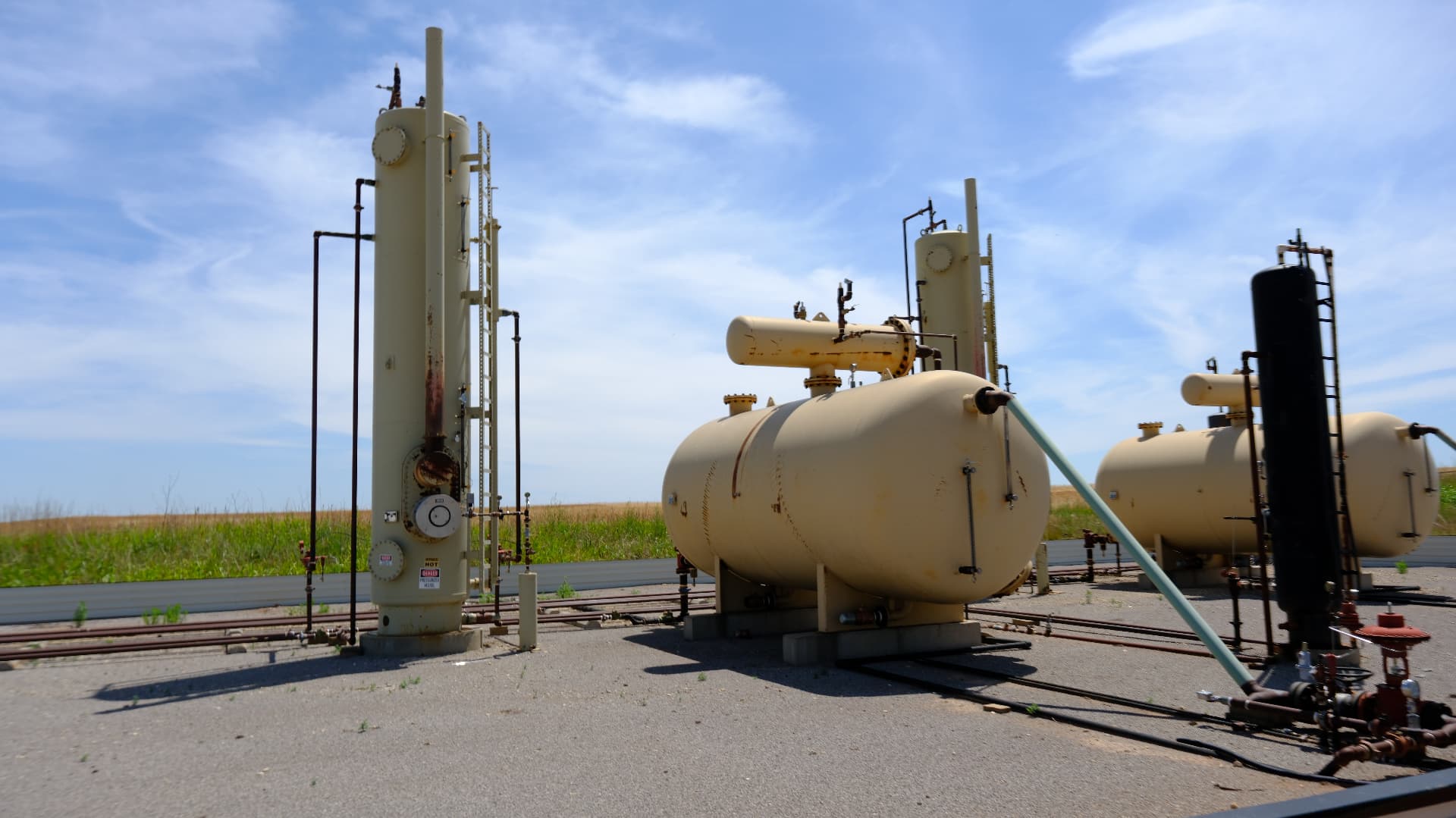
Heaters and separation units used to capture associated gas on lease

Why it matters

Environmental responsibility in oil and gas does not require new technology — it requires operating discipline. Capturing gas that competitors waste is good for the atmosphere and good for the well's economics. That alignment is the whole point.

Environmental descriptions reflect operating intent and are not a guarantee of outcomes. Capture rates depend on well conditions, infrastructure, and regulatory approvals.